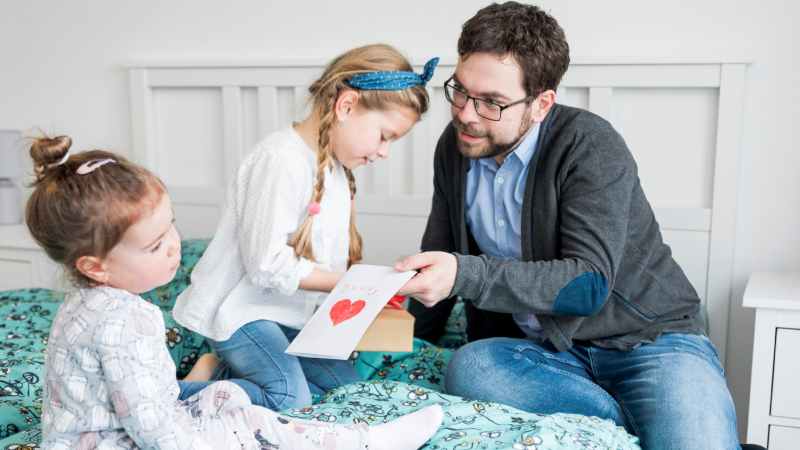
Parenting is one of the most meaningful responsibilities in life. It brings happiness, love, and unforgettable memories, but it also comes with challenges that require patience, understanding, and dedication. Every child is unique, with different emotions, interests, learning styles, and developmental needs. Parents must learn how to recognize these differences and provide the support their children need to grow into responsible, confident, and caring individuals.
Parenting advice FPMomLife focuses on helping parents build stronger relationships with their children through positive communication, emotional support, healthy routines, and practical everyday strategies. Parenting does not mean being perfect or having an answer to every question. Instead, it means learning from experience, adapting to changing needs, and creating a safe environment where children feel loved and respected.
Modern families often face additional pressures, including busy schedules, school responsibilities, technology, social expectations, and financial concerns. These challenges can make parenting feel overwhelming. However, simple habits and thoughtful decisions can make family life more balanced and enjoyable.
In this guide, we will explore essential parenting strategies that can help parents support their children’s emotional, social, and intellectual development while maintaining a loving and peaceful home.
1. Build a Strong Emotional Connection With Your Child
A strong emotional connection is the foundation of effective parenting. Children need to know that their parents care about their feelings, listen to their concerns, and support them when life becomes difficult. When children feel emotionally secure, they are more likely to develop confidence and healthy relationships.
Parents can strengthen this connection by spending meaningful time with their children every day. This does not require expensive activities or elaborate plans. Talking during meals, reading a bedtime story, playing a game, or taking a short walk together can create valuable opportunities for connection.
Listening is equally important. When a child shares a problem, avoid immediately criticizing the situation or offering solutions. Give the child time to explain what happened and acknowledge their feelings.
For example, if your child feels disappointed after receiving a lower grade, you might say, “I understand that you are upset. Let’s talk about what was difficult and how we can improve next time.”
This approach teaches children that their emotions matter and that mistakes can become learning opportunities.
2. Practice Positive Communication
Communication plays a major role in shaping the parent-child relationship. Children learn how to express themselves by observing how adults speak, listen, and respond to others. Positive communication encourages honesty, cooperation, and mutual respect.
Parents should use clear, age-appropriate language when explaining expectations. Instead of giving long lectures, communicate important messages in simple sentences that children can understand.
It is also helpful to avoid shouting or using hurtful words during disagreements. Parents sometimes become frustrated, especially when managing several responsibilities at once. However, taking a short pause before responding can prevent unnecessary conflict.
Encourage your children to ask questions and express their opinions respectfully. Even when you disagree with them, explain your reasons calmly.
Another important communication skill is active listening. Put aside distractions when your child is talking, maintain an attentive posture, and ask questions to understand their perspective.
When children know they can speak openly without automatically facing criticism, they may feel more comfortable discussing school difficulties, friendships, and personal worries.
3. Set Clear and Consistent Boundaries
Children need freedom to explore, learn, and make decisions, but they also need reasonable boundaries. Clear rules help them understand expectations and recognize how their actions affect other people.
Effective boundaries should be realistic, appropriate for the child’s age, and applied consistently. For example, parents might establish rules about completing homework before recreational screen time, putting toys away after playing, and speaking respectfully to family members.
Explain the reason behind each important rule. Children are more likely to understand boundaries when they know they are intended to support safety, responsibility, and cooperation rather than simply control their behavior.
Consistency matters as well. If a rule changes unpredictably, children may struggle to understand what is expected of them.
When a child breaks a rule, respond calmly and use a consequence that relates to the behavior whenever possible. If a child leaves toys scattered around the living room, asking them to help tidy the space is more constructive than using an unrelated punishment.
The goal is not to control every action. It is to help children gradually develop self-discipline and understand the importance of making responsible choices.
4. Encourage Independence and Responsibility
One of the most valuable gifts parents can give their children is the opportunity to become independent. Children develop confidence when they learn to complete suitable tasks, solve everyday problems, and make age-appropriate decisions.
Parents sometimes do everything for their children because it seems faster or easier. Although this may help in the moment, children also need opportunities to practice skills on their own.
Young children can begin with simple responsibilities, such as putting away toys, choosing between two appropriate outfits, or helping set the table. Older children may organize their school materials, prepare simple snacks with appropriate supervision, or manage homework schedules.
Mistakes are a natural part of learning. If a child forgets something or struggles with a task, guide them toward a solution instead of immediately taking over.
You can ask questions such as, “What do you think we should try next?” or “How could you remember this tomorrow?”
These small experiences teach problem-solving, accountability, and perseverance. Over time, children learn that they are capable of handling challenges with guidance when needed.
5. Support Your Child’s Emotional Development
Emotional development is just as important as academic achievement. Children need to learn how to recognize their feelings, express them appropriately, and respond to difficult situations.
Parents can support this process by helping children identify emotions such as happiness, sadness, anger, fear, disappointment, and excitement.
For example, when a child becomes upset because a game does not go as expected, a parent might say, “It looks like you are frustrated because things did not work out the way you wanted.”
Naming an emotion can help children understand what they are experiencing. Parents can then introduce healthy ways to respond, such as taking slow breaths, talking about the problem, asking for help, or taking a quiet break.
It is also important to remember that children do not always have the language or maturity to explain their feelings clearly. Their behavior may sometimes reflect tiredness, worry, or difficulty managing an unfamiliar situation.
Rather than focusing only on stopping unwanted behavior, try to understand what may be causing it. At the same time, maintain appropriate boundaries and teach children that every emotion is acceptable, but not every action is appropriate.
6. Create Healthy Daily Routines
A predictable routine helps children understand what happens throughout the day. Regular schedules can reduce confusion, support healthy habits, and make family life easier to manage.
A balanced routine should include time for school, homework, meals, physical activity, relaxation, family interaction, and sufficient sleep.
Morning routines can help children prepare for school without unnecessary rushing. Parents may encourage children to organize their bags, prepare clothing, and check their school supplies the night before.
Evening routines are equally valuable. A calm bedtime schedule might include brushing teeth, changing into comfortable clothes, reading, and having a brief conversation about the day.
Children benefit from routines that are consistent but flexible enough to accommodate special occasions and unexpected changes.
Parents should also consider their children’s individual needs. Some children need more time to transition between activities, while others respond well to visual schedules or simple reminders.
The purpose of a routine is to create stability, not to make every minute of the day feel controlled.
7. Balance Screen Time With Real-Life Activities
Technology is an important part of modern life, and children may use digital devices for learning, entertainment, and communication. However, excessive or poorly supervised screen use can interfere with sleep, physical activity, family interaction, and other important activities.
Parents should establish reasonable technology rules based on their children’s ages, maturity, and needs. These rules may include keeping devices away during meals, avoiding stimulating content near bedtime, and using parental controls where appropriate.
It is helpful to focus on both the amount of screen time and the quality of the content. Educational videos, creative activities, and age-appropriate learning applications may offer benefits, but children also need opportunities to explore the world away from screens.
Encourage activities such as reading books, drawing, playing outdoors, building with blocks, helping with household tasks, and spending time with friends.
Parents should model healthy technology habits themselves. If adults frequently use phones during conversations, children may find it difficult to understand why they are expected to put their devices away.
Creating family-wide screen-free periods can make digital boundaries easier to maintain and encourage more meaningful interaction.
8. Make Learning Enjoyable and Meaningful
Children learn through curiosity, exploration, repetition, and experience. Parents can support learning by creating an environment where questions are welcomed and mistakes are treated as part of the process.
Reading together is one simple way to develop language skills and imagination. Discussing stories, asking children what they think might happen next, and allowing them to choose books can make reading more engaging.
Everyday activities can also provide learning opportunities. Cooking together introduces measurement and following instructions, while gardening encourages observation and responsibility. Shopping can offer opportunities to practice counting, comparing prices, and making simple decisions.
Avoid focusing exclusively on grades or test results. Academic achievement matters, but effort, curiosity, persistence, and improvement are also important.
When a child struggles with a subject, try to identify the specific difficulty and provide appropriate support. Communicate with teachers when necessary and break challenging tasks into smaller steps.
Celebrate progress rather than expecting immediate perfection. Children who feel encouraged to learn are more likely to develop confidence and a lasting interest in discovering new things.
9. Use Positive Discipline Instead of Harsh Punishment
Discipline is most effective when it teaches children how to behave rather than simply making them afraid of consequences. Positive discipline combines clear expectations, consistent boundaries, encouragement, and respectful correction.
When a child behaves inappropriately, first make sure everyone is safe. Then explain which behavior needs to change and why.
For example, if siblings argue over a toy, parents can help them take turns, communicate their needs, and develop a fair solution. This approach teaches conflict resolution rather than encouraging children to view disagreements as battles to win.
Recognize positive behavior whenever you see it. Specific praise, such as “Thank you for helping your sister clean up,” helps children understand which actions are helpful.
Avoid comparing siblings or other children. Statements that label a child as lazy, bad, or difficult can damage trust and distract from the behavior that needs improvement.
Parents will not respond perfectly in every situation. If you lose your temper, acknowledge what happened, apologize when appropriate, and explain how you will try to handle the situation differently.
This models accountability and demonstrates that relationships can recover through honest communication and changed behavior.
10. Protect Your Child’s Physical Health
Healthy physical habits help children grow, learn, and participate in everyday activities. Parents can support children’s well-being by providing balanced meals, encouraging movement, maintaining good hygiene, and establishing consistent sleep routines.
Offer a variety of nutritious foods, including fruits, vegetables, whole grains, protein sources, and other foods suited to the family’s needs. Whenever practical, involve children in choosing ingredients and preparing meals.
Physical activity should be enjoyable rather than presented as a punishment or obligation. Dancing, cycling, walking, playing ball, and exploring outdoors can help children develop coordination and enjoy movement.
Sleep is another essential part of childhood development. Establish a calming bedtime routine and keep sleep schedules reasonably consistent. Recommended sleep amounts vary with age, so parents should follow age-appropriate health guidance.
Routine medical and dental visits also help families monitor development and address concerns early.
Parents should remember that every child’s needs are different. If they have concerns about growth, sleep, nutrition, or development, a qualified healthcare professional can provide individualized advice.
11. Build Confidence Through Encouragement
Confidence grows when children feel valued, supported, and capable of learning from experience. Parents can encourage confidence by recognizing effort, allowing age-appropriate independence, and helping children approach challenges with a positive mindset.
Instead of praising only natural ability, recognize specific actions. For example, say, “You kept practicing even when that problem was difficult,” rather than focusing exclusively on being the smartest student.
This helps children understand that skills can improve through practice and persistence.
Allow children to make reasonable choices, such as selecting a book, choosing an activity, or deciding how to organize a school project. These experiences help them develop judgment and trust in their abilities.
Avoid comparing children with siblings, classmates, or relatives. Every child develops at a different pace, and comparisons can create unnecessary pressure.
When children experience failure, remind them that one disappointing result does not define their abilities or future opportunities. Help them identify what they learned and what they might try next.
Confidence does not mean believing that everything will always be easy. It means developing the courage to try, ask for help, and keep learning.
12. Take Care of Yourself as a Parent
Parenting can be demanding, and adults also need time to rest, recover, and maintain their own well-being. Taking care of yourself is not selfish; it can help you respond to your children with greater patience and consistency.
Whenever possible, create small opportunities for rest. This might involve enjoying a quiet cup of tea, taking a walk, reading, pursuing a hobby, or talking with a trusted friend.
Share responsibilities with a partner or other trusted family members when available. Asking for support is a practical way to manage demanding periods rather than a sign of failure.
It is also helpful to maintain realistic expectations. No parent can remain calm, organized, and emotionally available every moment of every day.
When stress becomes overwhelming or persistent, consider reaching out to a qualified professional or trusted support service.
Children benefit from observing adults who recognize their limits, communicate respectfully, and work toward healthier ways of managing challenges.
By caring for your own well-being, you can help create a more balanced and supportive family environment.
13. Strengthen Family Relationships Through Quality Time
Family relationships become stronger when members regularly share positive experiences. Quality time gives children opportunities to feel connected, discuss their interests, and develop a sense of belonging.
Families can establish simple traditions, such as eating dinner together, sharing highlights from the day, playing board games on weekends, or reading together before bedtime.
These activities do not need to be expensive. Even short periods of focused attention can help children feel appreciated.
Encourage every family member to participate in conversations. Ask children about something interesting they learned, a challenge they faced, or an activity they enjoyed.
Respect individual differences, too. One child may enjoy group activities, while another may prefer quiet conversations or creative projects.
Family time should be welcoming rather than another source of pressure. If schedules are busy, begin with a small, realistic commitment and build from there.
Consistent moments of connection help create memories, strengthen trust, and remind children that they have people who care about them.
14. Adapt Your Parenting Style as Children Grow
Children’s needs change as they move through different developmental stages. Strategies that work well for a toddler may not be suitable for a teenager, so effective parenting requires flexibility.
Young children often need direct instructions, close supervision, and help understanding emotions. School-age children may benefit from greater responsibility, structured choices, and opportunities to practice problem-solving.
Teenagers generally need increasing independence, privacy, and opportunities to participate in decisions that affect them. Parents should continue providing guidance while listening seriously to their perspectives.
As children grow, discuss boundaries openly and explain which rules are connected to safety, family responsibilities, or shared respect.
Avoid assuming that a child who needs more independence no longer needs emotional support. Older children may still appreciate encouragement, reassurance, and time with their parents, even when they do not always ask for it directly.
Regular conversations can help parents understand changing interests, friendships, academic pressures, and personal goals.
Adapting your approach allows you to maintain a strong relationship while preparing your children for greater independence and responsibility.
Conclusion: Following Parenting Advice FPMomLife for a Happier Family
Successful parenting is not about raising perfect children or becoming a perfect parent. It is about building a relationship based on love, trust, patience, guidance, and mutual respect.
The practical principles discussed in this parenting advice FPMomLife guide can help families develop healthier communication, establish useful routines, encourage independence, support emotional development, and create a more positive home environment.
Remember that small actions often make a meaningful difference. Listening carefully, spending quality time together, setting consistent boundaries, celebrating effort, and responding calmly to challenges can strengthen the parent-child relationship over time.
Every family faces different circumstances, and no single parenting method works for everyone. Be willing to learn, recognize what your child needs, and adjust your approach as your family grows.
Most importantly, let your children know that they are loved and supported even when they make mistakes. With consistent guidance and encouragement, parents can help children develop the skills, confidence, and emotional understanding they need to navigate life’s challenges.
Parenting is an ongoing journey, and each day offers another opportunity to connect, learn, and grow together.
Frequently Asked Questions About Parenting Advice FPMomLife
1. What is the best parenting advice for new parents?
Focus on building a loving relationship, learning your child’s needs, establishing simple routines, and asking for help when necessary. Remember that parenting skills develop through experience.
2. How can parents improve communication with their children?
Listen without immediately judging, use calm and age-appropriate language, ask open-ended questions, and give children opportunities to express their feelings and opinions.
3. How can parents encourage good behavior?
Set clear expectations, recognize positive actions, use reasonable consequences, and explain why certain behaviors are important. Consistency and respectful guidance help children learn responsibility.
4. How can parents balance discipline and affection?
Combine clear boundaries with warmth and understanding. Children can experience consequences for inappropriate behavior while still knowing that they are loved and supported.
5. Why is parenting advice FPMomLife helpful?
Parenting advice FPMomLife offers practical ideas for communication, routines, emotional support, positive discipline, and family relationships. Parents can adapt these ideas to their children’s ages and individual needs.