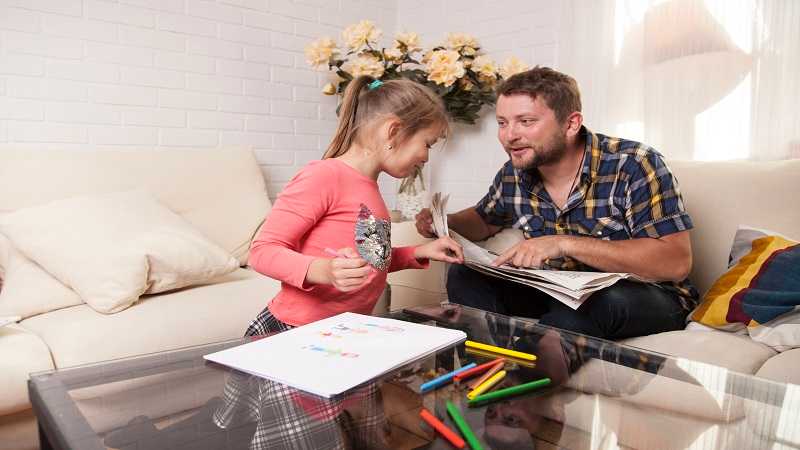
Motherhood is one of life’s most rewarding journeys, but it also comes with countless challenges. From caring for a newborn to balancing work, family, and personal well-being, every mother seeks reliable advice that can make daily life easier. The concept of FPMomLife Advice Tips by FamousParenting focuses on practical parenting strategies, emotional support, healthy family habits, and personal growth for modern mothers.
Rather than promoting perfection, these parenting tips encourage mothers to embrace realistic expectations while building a loving and supportive environment for their children. Whether you are a first-time mom or an experienced parent, adopting practical parenting techniques can help reduce stress and improve family relationships.
This article explores the most valuable FPMomLife advice, covering parenting, self-care, communication, discipline, nutrition, education, and work-life balance to help mothers create a happier home.
Understanding the FPMomLife Philosophy
The FPMomLife approach is centered on creating a balanced lifestyle where both mothers and children thrive together. Instead of trying to become a “perfect parent,” it encourages continuous learning, patience, and flexibility.
Modern parenting requires adapting to changing family dynamics, technology, education, and children’s emotional needs. Every family is unique, and parenting methods should be adjusted according to each child’s personality and developmental stage.
The core values of the FPMomLife philosophy include:
- Building strong emotional connections.
- Encouraging healthy communication.
- Supporting children’s independence.
- Practicing patience and kindness.
- Prioritizing family well-being.
- Taking care of maternal mental and physical health.
By following these principles, mothers can develop confidence while raising emotionally secure children.
Building Strong Emotional Bonds with Your Child
One of the most important parenting tips is creating a strong emotional connection with children. Emotional bonding begins from infancy and continues throughout childhood.
Children who feel emotionally secure are generally more confident, better at handling stress, and develop stronger social skills.
Ways to strengthen emotional bonds include:
- Spending quality time together every day.
- Listening without interrupting.
- Giving genuine praise for effort rather than perfection.
- Showing affection through hugs and encouraging words.
- Participating in activities children enjoy.
Small daily interactions often have a greater impact than expensive gifts or elaborate outings. Reading together, talking during meals, or taking evening walks helps create lasting memories.
Effective Communication in Parenting
Healthy communication forms the foundation of every successful parent-child relationship.
Children need to feel heard and respected. When parents actively listen, children become more willing to share their feelings and problems.
Effective communication involves:
Listening Carefully
Allow children to express themselves without immediate judgment or criticism.
Speaking Calmly
Using a calm voice during difficult situations encourages cooperation rather than resistance.
Asking Open-Ended Questions
Questions such as “How did that make you feel?” encourage deeper conversations instead of simple yes-or-no answers.
Validating Emotions
Even when children make mistakes, acknowledging their emotions helps them develop emotional intelligence.
Good communication builds trust that lasts well into adulthood.
Creating Healthy Daily Routines
Children thrive when they know what to expect. Consistent routines provide stability, reduce anxiety, and improve behavior.
A healthy family routine may include:
- Fixed wake-up times.
- Nutritious breakfast.
- Homework schedule.
- Outdoor play.
- Family meals.
- Reading time.
- Consistent bedtime.
Routine also teaches responsibility and time management.
However, flexibility is equally important. Unexpected situations happen, and parents should adapt without unnecessary stress.
Positive Discipline Instead of Punishment
Modern parenting emphasizes teaching rather than punishing.
Positive discipline focuses on helping children understand the consequences of their actions while maintaining respect.
Helpful discipline techniques include:
Setting Clear Expectations
Children should understand family rules before being expected to follow them.
Natural Consequences
Whenever safe, allow children to experience the natural result of their choices.
Consistency
Parents should consistently enforce rules without making exceptions based on mood.
Positive Reinforcement
Recognizing good behavior encourages children to repeat it.
Instead of yelling or harsh punishment, calm guidance teaches lifelong responsibility.
Encouraging Independence and Confidence
Children become more confident when parents allow them to complete age-appropriate tasks independently.
Examples include:
- Dressing themselves.
- Cleaning their room.
- Packing school bags.
- Helping prepare meals.
- Making simple decisions.
Although helping may seem faster, allowing children to solve problems develops resilience and self-confidence.
Parents should celebrate effort, even if results are imperfect.
Prioritizing Mother’s Mental Health
A happy mother contributes significantly to a healthy family environment.
Unfortunately, many mothers neglect their own well-being while caring for everyone else.
Self-care is not selfish—it is necessary.
Healthy self-care habits include:
- Getting adequate sleep.
- Eating balanced meals.
- Exercising regularly.
- Practicing mindfulness.
- Spending time with supportive friends.
- Pursuing hobbies.
- Asking for help when needed.
Taking breaks helps mothers recharge emotionally and physically.
Children also learn healthy habits by watching parents care for themselves.
Maintaining a Healthy Family Diet
Nutrition plays a major role in children’s physical and mental development.
Parents should encourage balanced eating rather than restrictive diets.
Healthy family eating habits include:
- Fresh fruits and vegetables.
- Whole grains.
- Lean proteins.
- Dairy or healthy alternatives.
- Plenty of water.
Family meals also improve communication and strengthen relationships.
Involving children in grocery shopping and meal preparation teaches healthy eating from an early age.
Managing Screen Time Wisely
Technology is an unavoidable part of modern life, but healthy boundaries are essential.
Excessive screen time can interfere with sleep, learning, and social interaction.
Parents can manage digital habits by:
- Setting daily screen limits.
- Creating technology-free family meals.
- Encouraging outdoor play.
- Monitoring online activities.
- Choosing educational content.
- Leading by example.
Balanced technology use helps children develop healthier lifestyles.
Supporting Children’s Education
Learning begins long before children enter school.
Parents can encourage education by creating an environment that values curiosity.
Helpful strategies include:
- Reading together daily.
- Encouraging questions.
- Celebrating academic progress.
- Providing a quiet study space.
- Maintaining communication with teachers.
Education should inspire curiosity rather than fear of failure.
Children learn best when they feel supported instead of pressured.
Balancing Work and Family Life
Many mothers struggle to balance careers with parenting responsibilities.
Achieving perfect balance may not always be possible, but thoughtful planning can reduce stress.
Useful work-life balance strategies include:
- Prioritizing important tasks.
- Using family calendars.
- Delegating household responsibilities.
- Setting realistic expectations.
- Protecting family time.
- Avoiding unnecessary guilt.
Quality time often matters more than quantity.
Being fully present during family moments strengthens relationships.
Building Strong Family Relationships
Healthy families are built through everyday interactions.
Simple traditions create lasting memories.
Examples include:
- Weekly movie nights.
- Family dinners.
- Birthday traditions.
- Weekend outings.
- Holiday celebrations.
- Volunteer activities.
These experiences strengthen emotional connections and teach important family values.
Teaching Kindness and Respect
Children often imitate adult behavior.
Parents should model kindness by:
- Speaking respectfully.
- Showing gratitude.
- Helping others.
- Apologizing when wrong.
- Demonstrating empathy.
Teaching respect through everyday actions is more effective than lectures.
Kindness helps children develop healthy friendships and strong character.
Handling Parenting Challenges with Confidence
Every family faces challenges.
Common parenting difficulties include:
- Tantrums.
- Sibling rivalry.
- Homework struggles.
- Sleep issues.
- Behavioral problems.
- Busy schedules.
Instead of expecting immediate solutions, parents should approach each challenge with patience and flexibility.
Seeking professional guidance when necessary demonstrates responsibility, not weakness.
Continuous learning is an essential part of successful parenting.
Financial Planning for Families
Financial stability reduces stress within households.
Parents can build healthier financial habits by:
- Creating monthly budgets.
- Saving for emergencies.
- Teaching children about money.
- Avoiding unnecessary debt.
- Planning for future educational expenses.
Teaching children responsible financial habits prepares them for adulthood.
Building a Positive Home Environment
The emotional atmosphere at home greatly influences children’s development.
Parents can create a positive environment by:
- Celebrating achievements.
- Encouraging teamwork.
- Resolving conflicts respectfully.
- Maintaining organized living spaces.
- Expressing gratitude regularly.
A peaceful home promotes emotional security and happiness.
The Importance of Community Support
Parenting does not have to be done alone.
Support can come from:
- Family members.
- Friends.
- Parenting groups.
- Schools.
- Healthcare professionals.
- Local communities.
Sharing experiences with other parents often provides encouragement and practical advice.
Strong support systems reduce stress and improve confidence.
Conclusion
The journey of motherhood is filled with learning, growth, and unforgettable moments. The principles behind FPMomLife Advice Tips by FamousParenting remind us that successful parenting is not about perfection—it is about consistency, compassion, and connection.
By focusing on emotional bonding, effective communication, positive discipline, healthy routines, self-care, education, nutrition, and balanced family life, mothers can build a nurturing environment where children flourish. Every small effort, from listening attentively to sharing family meals, contributes to stronger relationships and lifelong memories.
Parenting is an evolving journey, and no two families are exactly alike. The key is to remain patient, adaptable, and willing to learn. With practical strategies and a positive mindset, every mother can confidently navigate the joys and challenges of raising happy, healthy, and responsible children